
Trademark Objection Reply Guide
Got a trademark examination report? Here is why marks get objected, the difference between Section 9 and Section 11 objections, how to draft a strong reply, the deadline, and what happens at a hearing.
On this page
A trademark objection is not a refusal — it is the examiner asking you to justify your mark. Most objections can be answered successfully with a well-reasoned reply filed on time. Panicking or ignoring it is what loses marks.
Why trademarks get objected
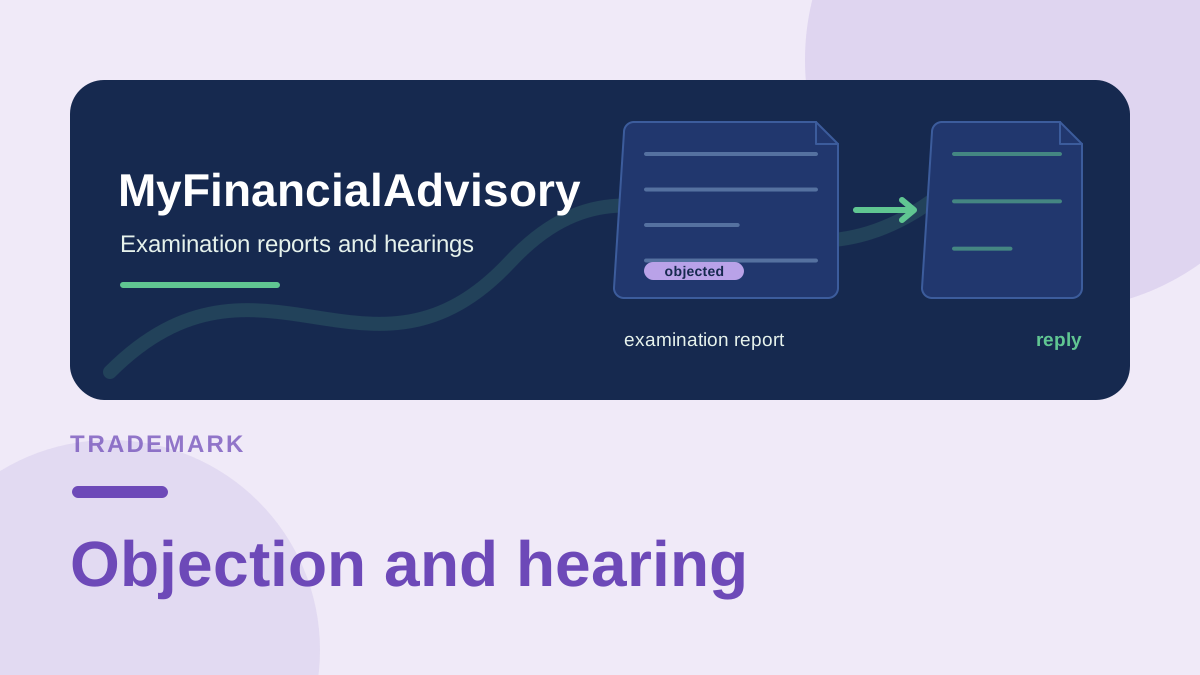
After you file, an examiner reviews the mark and issues an examination report if they see a problem. The objection does not end your application; it opens a window to respond. The two most common grounds are that the mark lacks distinctiveness or that it conflicts with an existing mark.
Section 9 and Section 11
These are the grounds you will usually face. Section 9 covers absolute grounds — the mark is descriptive, generic or non-distinctive, like trying to register a common word for the exact product it describes. Section 11 covers relative grounds — the mark is identical or similar to an earlier registered or applied mark in the same field. Your reply has to address whichever ground is raised.
Drafting a strong reply
A persuasive reply meets the objection head-on. For a Section 9 objection, you argue and evidence distinctiveness — coined words, stylisation, or acquired reputation through use. For a Section 11 objection, you distinguish your mark from the cited marks on appearance, sound, meaning and the goods involved. Attach evidence of use where you have it; assertions alone rarely persuade.
The one-month deadline
The reply is generally due within one month of receiving the examination report. Missing it risks the application being treated as abandoned. Diarise the date the moment the report arrives and prepare the reply well before it falls due.
Hearings and what comes next
If the reply does not fully satisfy the examiner, the matter is set down for a hearing where you present your case. A successful outcome moves the mark to publication in the Trademark Journal; from there it can still be opposed, but the objection stage is behind you.
Treat the examination report as an invitation to argue your case, not a rejection — reply on the merits, with evidence, on time. Procedures and timelines change, so confirm the current ones for your application.
Ready to act?
Got a trademark objection?
Send us your examination report — we draft a strong, evidence-backed reply and file it within your deadline.
Frequently asked questions
Is a trademark objection the same as a refusal?
No. An objection is the examiner raising a concern and inviting a reply. The mark is only refused if the objection is not overcome through the reply or a hearing.
How long do I have to reply to a trademark objection?
The reply to an examination report is generally due within one month of receiving it. Missing the deadline can lead to the application being treated as abandoned.
What is the difference between Section 9 and Section 11 objections?
Section 9 is about the mark itself being descriptive or non-distinctive; Section 11 is about the mark conflicting with an earlier similar or identical mark.
What happens at a trademark hearing?
You present arguments and evidence to the officer in support of your mark. If accepted, the mark proceeds to publication in the Trademark Journal.
Related MFA services
If you want this handled rather than done yourself, these are the matching services.
Written by
MyFinancialAdvisory Editorial
Editorial guidance prepared for business owners and reviewed before production publication.
Reviewed by MyFinancialAdvisory Trademark Team
Written against official sources, with the governing rule named wherever a figure or deadline is given. General guidance — not advice on your specific case.
Ready to act?
Got a trademark objection?
Send us your examination report — we draft a strong, evidence-backed reply and file it within your deadline.
Related guides

Trademark
Someone Is Using Your Brand: What Infringement Actually Means, and What to Send
The Trade Marks Act nowhere requires a cease and desist notice before suing — and it makes an unjustified one independently actionable. So the notice has to earn its place. Here is what Section 29 actually catches, the defences in Sections 30, 34 and 35, and the one provision that gives a well-drafted notice real legal work to do.
Read guide
Trademark
Trademark Classes and Multi-Class Filing: What the Fee Actually Buys
The government fee is charged for each class and for each mark, so classification is the single biggest lever on what a trademark costs. Here is what the Act and the Rules actually say about classes, why a class number does not decide similarity, why goods cannot be added after filing, and how a multi-class application is divided when one class runs into trouble.
Read guideTrademark
Abandoned Trademark Application: Every Deadline That Kills It, and What Is Left
Six different deadlines can end a trademark application, and they are not the same kind of deadline. Some say the Registrar "may" treat it as abandoned; two say it "shall be" or is "deemed" abandoned automatically. That difference decides whether anything can be recovered — and this is the map of which is which.
Read guide