
Trademark Opposition Explained: The 4-Month Window
After a trademark is accepted, anyone can oppose it for four months. Here is how opposition works, the stages involved, and how to oppose a copycat or defend your own mark.
On this page
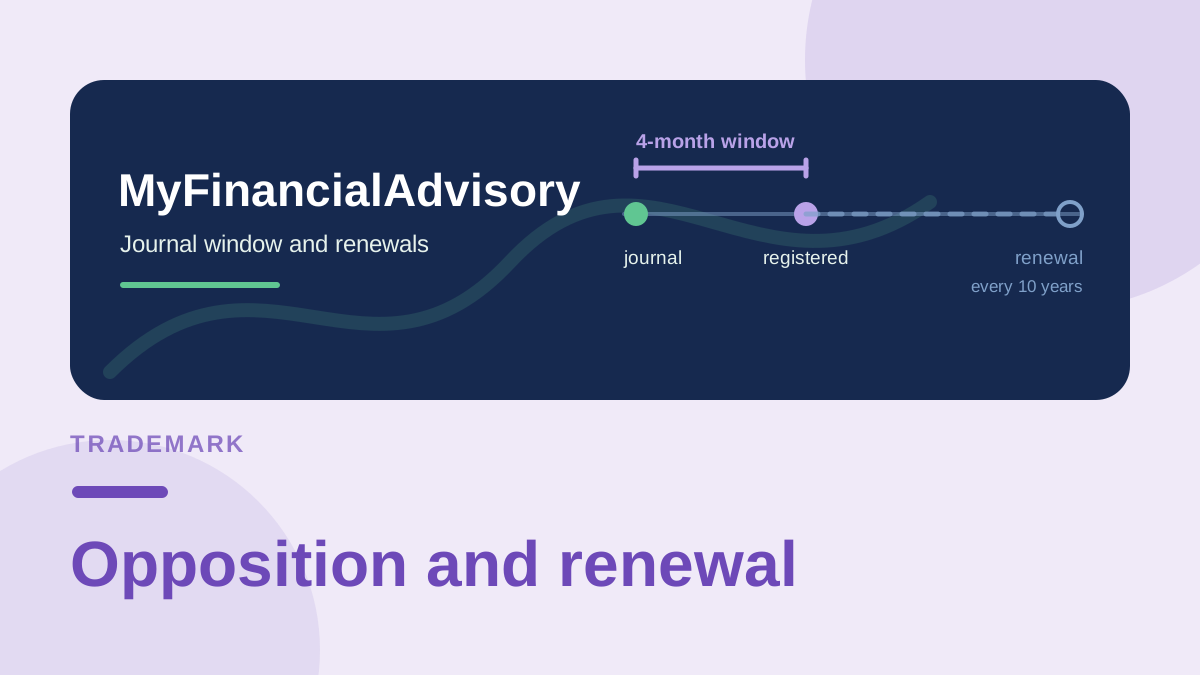
Getting your trademark accepted is not quite the finish line. For four months after it is published, the door is open for opposition — and the same door lets you stop copycats of your own brand.
Quick answer
Once a mark is accepted, it is published in the Trademarks Journal, starting a four-month window in which any third party can oppose it. You can also oppose someone else's published mark if it is too similar to yours. Opposition is an adversarial, multi-stage proceeding decided by the Registry.
The stages of opposition
- Notice of opposition — the opponent files grounds
- Counter-statement — the applicant responds
- Evidence — both sides file evidence by affidavit
- Hearing — the Registry hears both sides and decides
Opposing a copycat
If a published mark is confusingly similar to yours in the same or related classes, you can oppose it within the window — backed by your prior rights, reputation and use evidence.
Defending your mark
If your accepted mark is opposed, you file a counter-statement on time, then evidence, and argue at the hearing. Missing a stage deadline can cost you the mark.
Common mistakes
- Missing the 4-month opposition window
- Weak grounds without evidence
- Missing a stage deadline in the proceeding
- Not monitoring the journal for threats to your brand
Opposition is more involved than an examination objection, but it is how serious brands keep the register clean. A brand-watch service helps you catch threats in time.
Ready to act?
Protect your brand in the journal
Whether you are opposing a copycat or defending your mark, we handle every stage so nothing slips through a deadline.
Frequently asked questions
What is trademark opposition?
After a mark is accepted and published in the journal, any third party can oppose it within four months. It is an adversarial proceeding decided by the Registry.
How long is the opposition window?
Four months from publication in the Trademarks Journal. After that, the mark generally proceeds to registration.
My mark was opposed — what do I do?
File a counter-statement within the deadline, then evidence by affidavit, and argue at the hearing. We defend your mark through each stage.
How is opposition different from an objection?
An objection is raised by the examiner during examination; an opposition is raised by a third party after acceptance and publication, and is a longer, adversarial process.
Can I oppose a mark similar to mine?
Yes. If a published mark is confusingly similar to yours in the same or related classes, you can oppose it within the window.
How long does the whole process take?
It is a multi-stage proceeding that typically runs over many months, depending on the Registry and the parties.
Related MFA services
If you want this handled rather than done yourself, these are the matching services.
Written by
MyFinancialAdvisory Editorial
Editorial guidance prepared for business owners and reviewed before production publication.
Reviewed by MyFinancialAdvisory IP Team
Written against official sources, with the governing rule named wherever a figure or deadline is given. General guidance — not advice on your specific case.
Ready to act?
Protect your brand in the journal
Whether you are opposing a copycat or defending your mark, we handle every stage so nothing slips through a deadline.
Related guides
Trademark
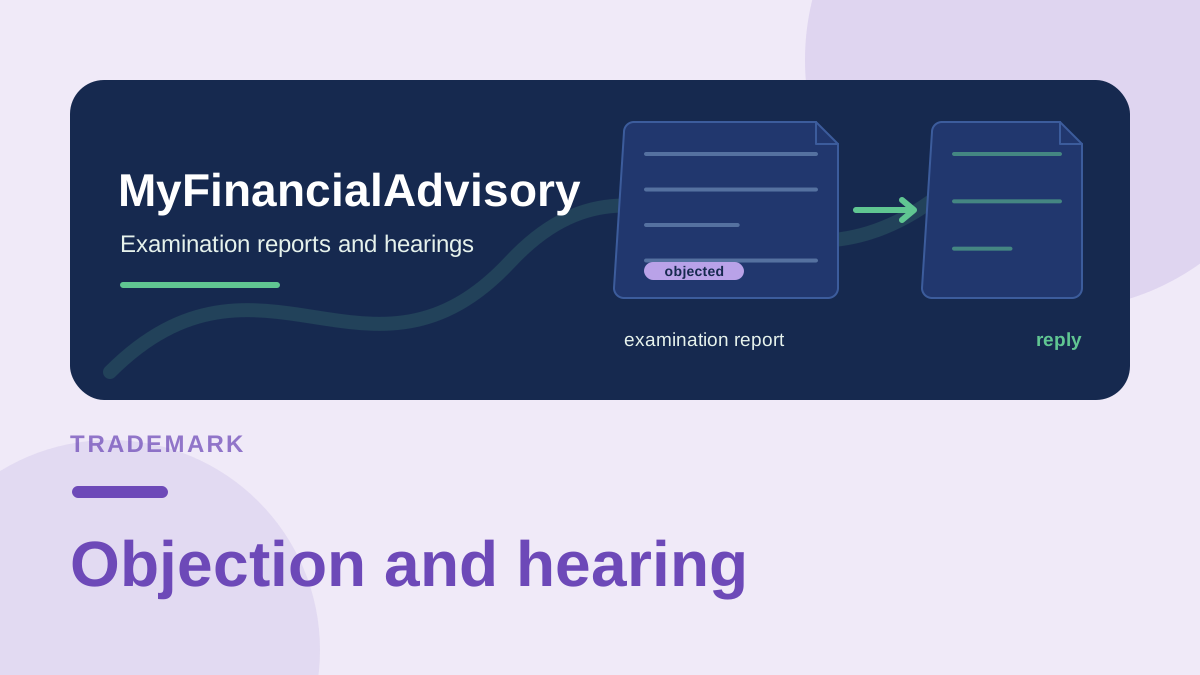
Trademark Objection Reply Guide
Got a trademark examination report? Here is why marks get objected, the difference between Section 9 and Section 11 objections, how to draft a strong reply, the deadline, and what happens at a hearing.
Read guideTrademark
Trademark Hearing Process: What to Expect
If your objection reply wasn't accepted, your trademark is set down for a show-cause hearing. Here is what a hearing is, how it works, and how to prepare to win.
Read guide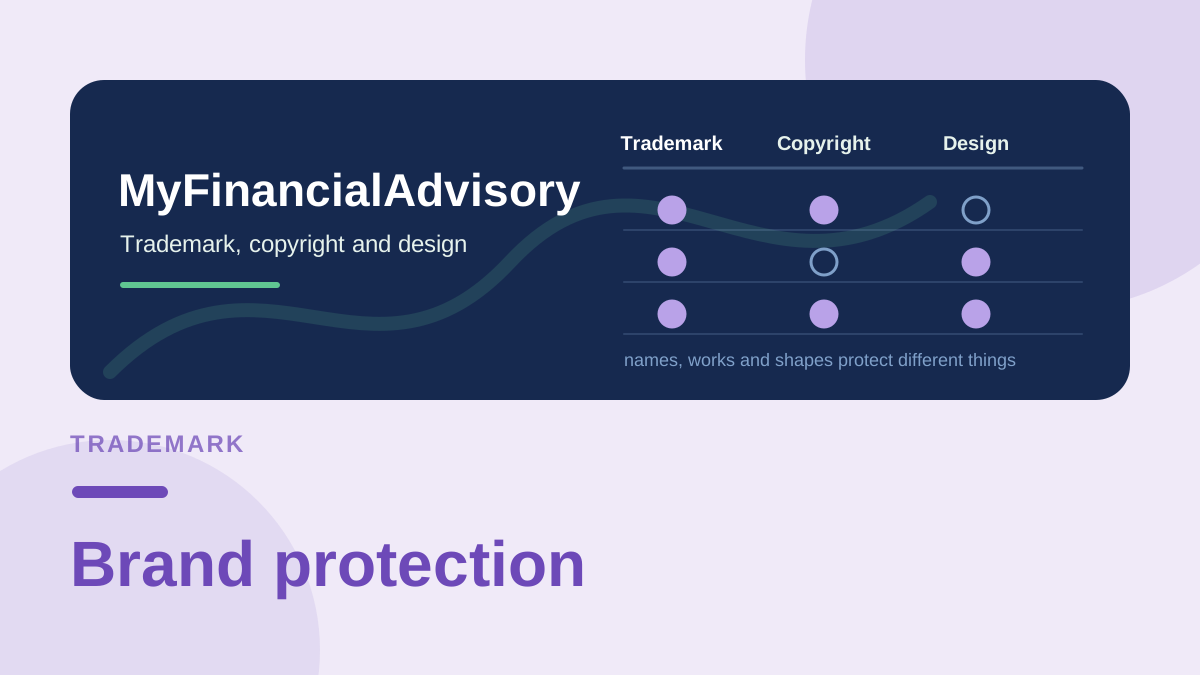
Trademark
How to Protect a Brand Name in India: The Full Playbook
A great brand name is worthless if a competitor can use it too. Here is the step-by-step playbook to legally protect a brand name in India — search, class, file, monitor and enforce.
Read guide