
Trademark Hearing Process: What to Expect
If your objection reply wasn't accepted, your trademark is set down for a show-cause hearing. Here is what a hearing is, how it works, and how to prepare to win.
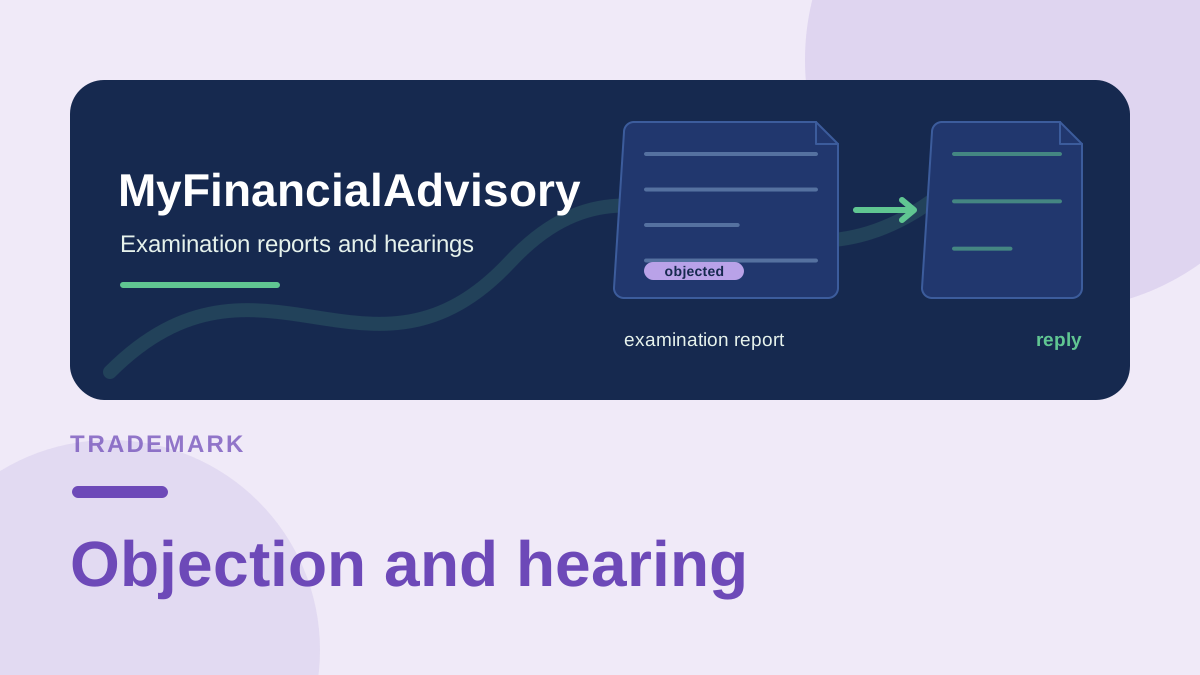
On this page
A trademark hearing sounds intimidating, but it is simply your chance to argue your case in person after a written reply did not fully satisfy the examiner. Preparation is everything.
Quick answer
A show-cause hearing is scheduled when your written objection reply does not resolve the examiner's concerns. You (or your representative) appear — often by video — to argue why the mark should be accepted, supported by evidence of use and distinctiveness. A well-prepared hearing can turn an objection into acceptance.
Why your application reached a hearing
Usually the objection reply did not fully overcome a Section 9 (descriptive/non-distinctive) or Section 11 (similar mark) objection. The hearing is the next opportunity to persuade.
How a hearing works
- You receive a hearing notice with a date
- You appear (commonly via video conference)
- You present arguments and evidence
- The examiner considers and issues an order
How to prepare
- Distinguish your mark clearly from any cited mark
- Bring strong evidence of use — invoices, packaging, ads, dates of first use
- Organise affidavits establishing distinctiveness
- Have a clear, concise argument ready
Common mistakes
- Not attending (leads to refusal/abandonment)
- Going in unprepared or with disorganised evidence
- Failing to distinguish the cited mark
- Missing the hearing date
A hearing is winnable with the right preparation and representation. Treat it as an opportunity, not a setback.
Ready to act?
Your hearing, handled
We prepare the arguments and evidence and represent your trademark at the show-cause hearing — so your application gets its best shot.
Frequently asked questions
What is a trademark hearing?
A show-cause hearing scheduled when your written objection reply does not fully satisfy the examiner. You argue your case orally and present evidence of use and distinctiveness.
Why did my application go to a hearing?
Usually because the objection reply did not fully overcome a Section 9 or Section 11 objection. The hearing is your chance to persuade in person.
How are hearings conducted?
Often by the Registry via video conference. Clear arguments and organised evidence are key.
What should I bring?
The application, examination report, your filed reply, and strong evidence of use and distinctiveness, including affidavits.
What happens if I miss the hearing?
Missing it usually leads to refusal or abandonment of the application. It is important to attend, prepared.
Is the outcome guaranteed?
No. The Registry decides on the merits. Thorough preparation and representation maximise the chance.
Related MFA services
If you want this handled rather than done yourself, these are the matching services.
Written by
MyFinancialAdvisory Editorial
Editorial guidance prepared for business owners and reviewed before production publication.
Reviewed by MyFinancialAdvisory IP Team
Written against official sources, with the governing rule named wherever a figure or deadline is given. General guidance — not advice on your specific case.
Ready to act?
Your hearing, handled
We prepare the arguments and evidence and represent your trademark at the show-cause hearing — so your application gets its best shot.
Related guides
Trademark
Trademark Objection Reply Guide
Got a trademark examination report? Here is why marks get objected, the difference between Section 9 and Section 11 objections, how to draft a strong reply, the deadline, and what happens at a hearing.
Read guide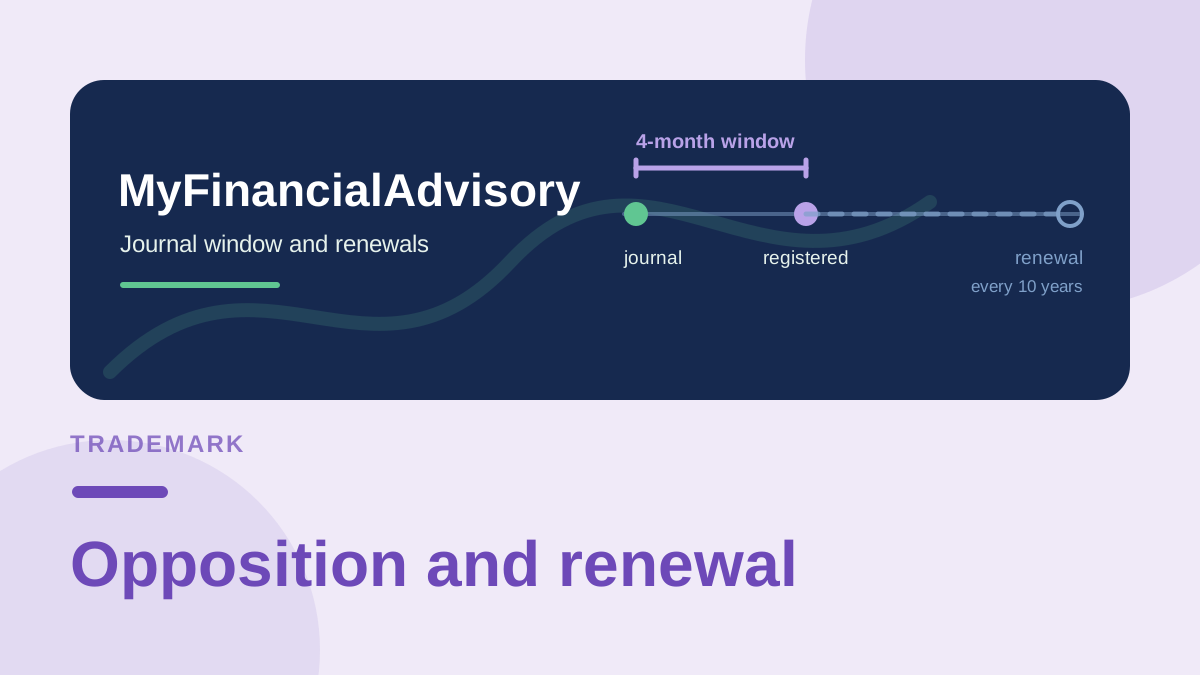
Trademark
Trademark Opposition Explained: The 4-Month Window
After a trademark is accepted, anyone can oppose it for four months. Here is how opposition works, the stages involved, and how to oppose a copycat or defend your own mark.
Read guide
Trademark
Trademark Registration Process in India
Trademark registration is a sequence of statutory stages, not a single filing. Here is the full path from search to the R symbol — the forms, the fees, the statutory deadlines at every stage, what happens when an objection or an opposition lands, and how to file something that survives examination.
Read guide